Defined An In-Depth Look at Feather Fan Burlesque...
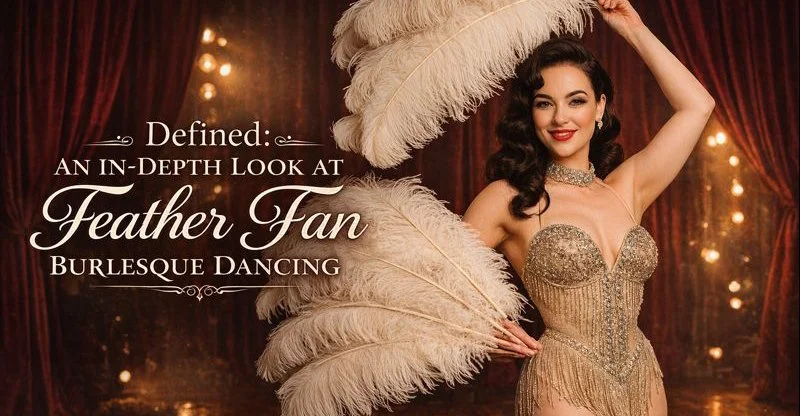
Feather fan dancing—often performed with luxurious ostrich feather fans is one of the most iconic and visually captivating expressions of classic burlesque. Frequently associated with glamour, mystery, and refined tease, fan dancing is both a technical discipline and an art of illusion.
Far more than simply hiding and revealing the body, feather fan burlesque is a sophisticated dance form that blends control, timing, storytelling, and theatrical elegance.
In this blog post, we explore feather fan burlesque dancing in depth, examining its historical roots, defining elements, evolution, iconic performers, and how this timeless art form is experienced today.
The Historical Roots of Feather Fan Burlesque…
Feather fan dancing traces its origins to early 20th-century burlesque, vaudeville, and revue-style performances, particularly during the Golden Age of burlesque in the 1920s through the 1950s. While fans had long been used in theatrical dance traditions across cultures, it was burlesque that elevated ostrich feather fans into symbols of glamour and erotic sophistication.
During this era, censorship laws restricted full nudity on stage, inspiring performers to master the art of concealment. Feather fans became the perfect tool, voluminous enough to obscure the body while allowing for fluid movement, visual drama, and strategic tease. The result was a performance style that relied on suggestion rather than exposure, transforming limitation into artistry.
As burlesque flourished in theatres and cabarets, feather fan dancing became synonymous with elegance, luxury, and classic showgirl glamour. The image of a performer gliding across the stage behind sweeping plumes of feathers became an enduring symbol of burlesque itself.
The Defining Elements of Feather Fan Burlesque Dance…
At the heart of feather fan burlesque is illusion. The fans act as both costume and prop, creating the impression of nudity while revealing very little. This illusion requires precise technique, strong posture, and complete control of the body and fans.
Timing is essential. The opening and closing of the fans must be deliberate, synchronized with music and movement to guide the audience’s eye. Even the smallest shift of a wrist or turn of the shoulder can transform the moment from subtle to breathtaking.
Grace and fluidity define the movement vocabulary. Feather fan dancers often employ slow, sweeping motions, gliding steps, and elegant poses that emphasize line, balance, and silhouette. The dance is as much about stillness as it is about motion, allowing anticipation to build.
Costuming plays a critical role. Traditional ostrich feather fans are large, soft, and dramatically full, designed to frame the body like living sculptures. Performers often pair them with classic burlesque styling corsetry, heels, coiffed hair, and vintage-inspired makeup to complete the illusion of timeless glamour.
Above all, feather fan burlesque is rooted in the tease: a controlled, confident dialogue between performer and audience that celebrates suggestion, mystery, and self-assured sensuality.
The Evolution of Feather Fan Dancing in Modern Burlesque…
While deeply rooted in classic burlesque traditions, feather fan dancing has continued to evolve alongside the art form itself. In modern burlesque and neo-burlesque, performers honour the technique and aesthetics of traditional fan dancing while reinterpreting it through contemporary lenses.
Today’s feather fan performances may incorporate diverse music styles, innovative choreography, and modern storytelling, while still preserving the elegance and restraint that define the form. Many performers also approach fan dancing as an act of empowerment, reclaiming glamour, sensuality, and control over visibility on their own terms.
Workshops and formal training have helped preserve fan dancing as a disciplined technique, ensuring that the craft is passed down with respect for its history. This balance between tradition and innovation keeps feather fan burlesque vibrant, relevant, and continually evolving.
Iconic Figures and the Legacy of Fan Dancing…
The legacy of feather fan burlesque is closely tied to the great showgirls and burlesque stars of the past. Sally Rand remains one of the most famous fan dancers in history, captivating audiences at the 1933 Chicago World’s Fair with her masterful use of ostrich feather fans. Her performances demonstrated how fan dancing could be both provocative and elegant, leaving a lasting imprint on burlesque imagery.
Other classic burlesque performers incorporated fan work into lavish showgirl routines, contributing to the association between feathers, luxury, and theatrical spectacle. These performers set the standard for technique, stage presence, and visual storytelling that fan dancers continue to study and emulate today.
Modern burlesque artists draw inspiration from these pioneers, blending vintage aesthetics with contemporary creativity to keep the legacy of feather fan dancing alive.
Experiencing Feather Fan Burlesque Today…
Today, feather fan burlesque can be experienced on stages around the world from intimate cabarets to grand burlesque festivals and theatrical productions. Whether presented as a solo act or part of a larger revue, fan dancing remains a highlight for audiences drawn to classic glamour and refined tease.
Watching a feather fan performance is an invitation into a slower, more deliberate form of seduction, one that celebrates anticipation, artistry, and control. It is a reminder that burlesque does not rely on excess, but on intention, confidence, and theatrical storytelling.
For audiences and performers alike, feather fan burlesque stands as a timeless expression of elegance, sensuality, and the enduring power of illusion within the art of burlesque.