Neo-Burlesque Defined An In-Depth Look At A Modern Performance Art…
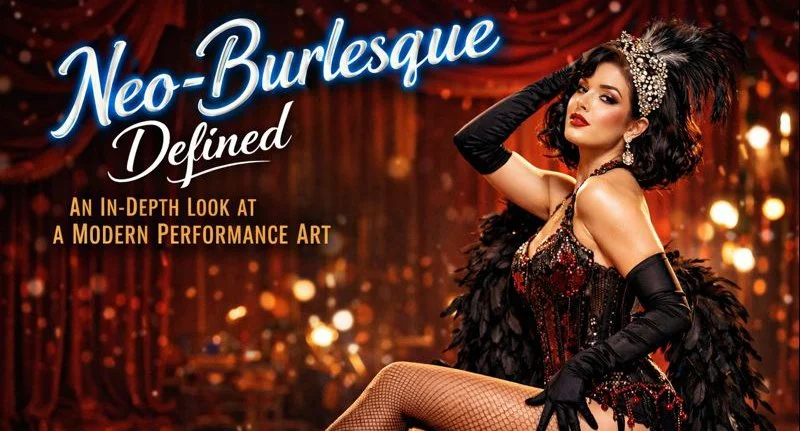
Neo-burlesque is often described as a revival of classic burlesque, but this modern art form is far more than a nostalgic homage. Neo-burlesque expands upon tradition, transforming burlesque into a contemporary platform for self-expression, political commentary, and creative freedom.
Rooted in the foundations of classic burlesque, neo-burlesque embraces diversity, challenges convention, and redefines what sensual performance can look like in the modern world.
In this blog post, we explore neo-burlesque in depth—examining its origins, defining characteristics, artistic evolution, influential figures, and how neo-burlesque is experienced today.
The Origins of Neo-Burlesque…
Neo-burlesque emerged in the late 20th century, during a period of renewed interest in vintage aesthetics, performance art, and feminist discourse. While classic burlesque had declined in mainstream popularity by the mid-1900s, underground performers and artists began reclaiming the form as a means of creative and personal empowerment.
This resurgence was not about recreating the past, but rather reinterpreting it. Neo-burlesque artists drew inspiration from classic burlesque’s glamour, tease, and theatricality while responding to contemporary cultural conversations around identity, autonomy, sexuality, and representation.
As neo-burlesque grew, it found homes in cabarets, alternative theatres, art spaces, and fringe festivals—spaces that encouraged experimentation and storytelling beyond traditional entertainment norms. From these roots, neo-burlesque developed into a global movement that continues to evolve.
Defining Elements of Neo-Burlesque…
While neo-burlesque honours many traditional burlesque principles, it is defined by its flexibility and refusal to conform to a single aesthetic or narrative.
At its core is intentional performance. Neo-burlesque prioritises meaning, concept, and personal voice. Performers often build acts around themes such as empowerment, humour, vulnerability, politics, fantasy, or cultural critique. The tease remains important, but it is no longer the sole focus—expression takes precedence over expectation.
Costuming in neo-burlesque ranges widely, from classic glamour to avant-garde, minimalist, fetish-inspired, or handmade designs. Rather than adhering to one standard of beauty, neo-burlesque celebrates individuality, body diversity, and creative authenticity.
Music and movement are equally varied. Acts may feature jazz, electronic, rock, hip-hop, spoken word, or experimental soundscapes. Choreography often blends dance styles with theatrical gesture, improvisation, and emotional storytelling.
Together, these elements create performances that are deeply personal, visually striking, and emotionally resonant.
Neo-Burlesque as Cultural Commentary…
One of neo-burlesque’s most powerful qualities is its ability to function as commentary. Many performers use the stage as a space to question societal norms, confront stereotypes, and reclaim narratives surrounding gender, sexuality, and power.
Through satire, exaggeration, and symbolism, neo-burlesque challenges audiences to rethink assumptions about desire, performance, and identity. Humor may be sharp or playful, while vulnerability is often embraced as a strength rather than hidden.
This approach positions neo-burlesque alongside other contemporary performance arts, blurring the lines between entertainment, activism, and personal storytelling.
Influential Figures in Neo-Burlesque…
The neo-burlesque movement has been shaped by a diverse range of performers, producers, and educators who expanded the art form’s possibilities. Artists such as Dita Von Teese helped reintroduce burlesque to mainstream audiences while maintaining artistic integrity and control. Meanwhile, performers like Dirty Martini and World Famous BOB challenged traditional body standards and broadened representation on stage.
Internationally, neo-burlesque has flourished through local scenes and festivals, with performers contributing unique cultural perspectives and artistic styles. Rather than relying on a single icon or aesthetic, neo-burlesque thrives on collective creativity and community.
These figures helped establish neo-burlesque not only as entertainment, but as a legitimate and evolving performance art.
Experiencing Neo-Burlesque Today…
Today, neo-burlesque can be experienced in a wide variety of spaces—from intimate cabarets and underground shows to large-scale festivals and theatrical productions. No two performances are alike, and audiences are often invited into worlds that are imaginative, provocative, humorous, or deeply moving.
Modern neo-burlesque prioritises consent, inclusivity, and audience connection. It welcomes curiosity and rewards open-mindedness, offering performances that can be glamorous, strange, political, tender, or boldly defiant.
For newcomers, neo-burlesque offers an entry point into a vibrant artistic community. For longtime fans, it continues to surprise and evolve—proving that burlesque is not a relic of the past, but a living, breathing form of creative expression.